
Control transformers are often selected from a connected-volt-ampere total, but the starting behavior of relays, contactors and solenoids can determine the real requirement. The review should include peak current, duration and acceptable voltage dip.
Separate steady and peak load
List the devices that operate continuously and those that switch on together. A contactor coil may draw only a few watts while steady, yet create a larger inrush event when energised.
Include control power supplies and capacitive loads where their start-up current can be significant. Do not add nameplate VA without checking how the loads behave.
Define the acceptable voltage dip
The control system has a minimum voltage at which relays remain energised and electronics operate correctly. This limit should be stated before the transformer is sized.
Short-circuit and overload protection also influence the available voltage. Coordinate the transformer, fuse or breaker and supply wiring as one control circuit.
Review the panel environment
Panel depth, terminal access and ambient temperature affect the practical construction. A larger transformer may solve voltage sag while making installation or thermal performance worse.
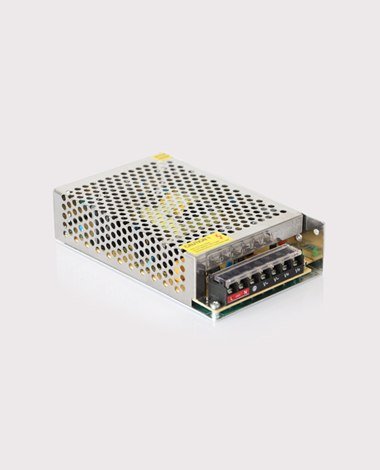
If the control architecture requires a regulated DC rail, compare a transformer-based supply with a DIN-rail switching supply using the complete load and protection requirements.